How to Chair
Advice from Beyoncé, my kids' high school teacher, and all y’all
Ankur Desai, Department Chair, 2021-2026
Atmospheric and Oceanic Sciences, University of Wisconsin-Madison
July 2026
On mama bears and cheerleaders
New chairs are often greeted by those “on the inside” with condolences as often as they are congratulated by the rest. Why? For sure, there is little glory in what is essentially middle management. And yet, many a high performing department will tie its legacy to great department chairs whose leadership helped set the stage to make that happen. At the least, becoming chair does not have to require a funeral for your well-being!
Let’s start with some definitions and background. Academic departments, centers, and institutes are the primary organizing and governing mechanisms for the scholarship of knowledge creation and communication by teaching, research, and outreach that are the central activities of universities and colleges. Here, I use the term “department” to represent all such entities, and “chair” to represent the individual deemed responsible for leadership of that unit; this position may also be called head or director, and is sometimes buttressed by an operations lead in the form of a department administrator, finance/operations manager, chair’s assistant, or chief of staff. Here I focus on departments whose primary missions are both research and teaching, led primarily by tenured and tenure-track faculty and staff.
Service as chair could be as short as a year or two and sometimes a lifetime appointment, sometimes selected primarily by the faculty, either among the existing faculty or through an external search, and other times by a Dean, and usually, jointly. Sometimes new chairs get training and resources and other times they are sent to the wolves (or herd of cats) to fend for themselves. Often, the chair is a tenured academic. In those cases, chairs often retain academic freedom and tenure privileges, but may be constrained in other ways on what one can or can’t do.
Below are my thoughts collected over the years, especially during my five year term as chair and tenured full professor of the Department of Atmospheric and Oceanic Sciences in the College of Letters and Sciences at the University of Wisconsin-Madison from 2021-2026. These are pieces of advice that were written over that period based on my experiences, which may differ from yours. See if some of them resonate with your priorities or those of your department. Or share other perspectives with me! I believe if you are a future or current chair, you can rise to the challenges facing your program in your own ways and approach. I hope you might find ideas here helpful as you discover how to do so.
There's a lot more to the nuts and bolts that are not covered here. Instead, I focus on what it means to lead a department and how to optimally manage the messy world of academia so that everyone can flourish and you can conduct this work fruitfully while avoiding burnout. To start, let’s see what best selling music artist Beyoncé has to say!
My goal as chair and broadly the central goal for higher education administrative leaders is to set the stage so everyone can do their best work. Given that, the department chair’s core objectives can be neatly divided into two categories. These observations are best described in Beyonce's lullaby to her daughter on the fantastic 2024 album Cowboy Carter. In the song Protector, Beyoncé promises through a subtle change in chorus from one verse to the next that she will be both a "protector" and "projector". Or if I were to put it in my words, "mama bear" and "cheerleader-in-chief", which apply to parenting and chairing alike.
The "protector" is here to steward the department and its community, resources, and autonomy to conduct the best scholarship in research, teaching, and outreach possible. The "projector" is there to promote the department through transparent, high-quality, and inclusive recruitment, communications, and growth so that that scholarship is widely recognized as the best in the world (or at least to the universe that you care about and cares about you). That's it. That's the whole job. Be Beyoncé!
Those two core objectives then show up in the core activities of chair, broadly: managing people and resources (space, money, time), planning strategy and goals, leading community and initiatives, facilitating meetings and activities, mentoring and promoting faculty and staff, responding to crises and opportunities, and representing the department for campus, alumni, donors, and the public.
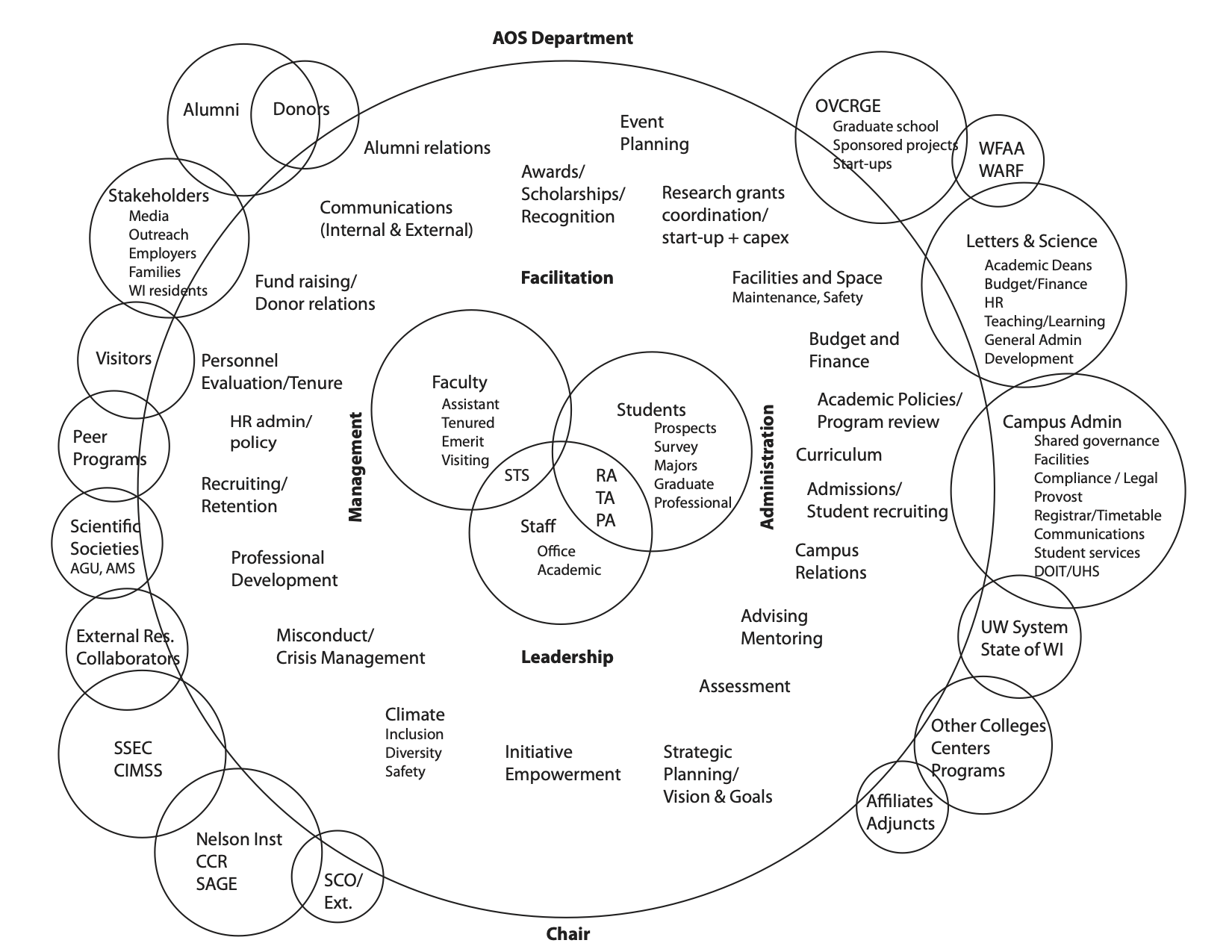
Figure 1. See all the circles. Love all the circles.
When I started as chair I made a messy figure of “my world” (Figure 1) -> on the inside are the people I lead - faculty, staff, students, who have varying and sometimes overlapping roles and positions. As chair, I have activities noted inside the big circle for what I do for those people that broadly fall under categories of leadership, facilitation, management, and administration. Our world seeks to “protect and project” the people on the inside with the circles that intersect our work, which includes our college administration, campus centers related to research, teaching, and outreach, and our various stakeholders, including alumni, visitors, peer programs, and donors. Each year, I used this chart to identify which activities were taking priority in the following year and presented that to my department, to a mix of bewilderment and eyerolls. But it’s ok, it’s my world. I encourage you to make yours - which could look very different.
There are large differences in which of those roles are "big" or "small" for you and in the level of autonomy you have, with constraints coming from deans, but also campus policies and the operating procedures of your own department. You may have varying levels of ability to delegate to staff, faculty, and students, and flexibility in budgets and initiatives that come with the role. Some of that will be on the culture of the university and the department, but also on the size of the college or campus, whether you are in a teaching-intensive or research-intensive unit, and what's going on in the world and higher education at the moment. You may need to hyperfocus on one “big” deal like a department merger, program closure, or new building. However, it is worth knowing what your world looks like at the current moment and where you need to prioritize. Spend time before chair getting to know the levers that exist, how you make them work for everyone, and how you bring everyone along. If you do it well, you'll have fun (really!) and not be overwhelmed (most of the time!).
"Who is wise? One who learns from all." -Ben Zoma, Pirkei Avot 4:1
"Vulnerability is the birthplace of innovation, creativity and change.” - Brené Brown
Prerequisites
Most courses have prerequisites and so does this role. One prerequisite is that you know yourself, know your styles of leadership, know a thing or two on what works for you to manage time, money, documents, and people. Some of this can be explicitly gained in formal trainings, but for most, it’s through experience that comes with various hats we all have, as an instructor in the classroom, as a PI of a research lab, and through service on various committees. Don’t discount the training you get also from the “school of life” - some of my best trainings for me as chair have come from running a residential dining co-op in college, parenting 3 daughters, trying to be an equal household partner with my spouse, coaching youth sports and clubs, books or TV shows that model positive leadership (e.g., ‘Ted Lasso’), or as a former board president to my kid’s unionized daycare.
The second absolute prerequisite is a “functional department”. One where faculty, staff, students want to show up, put in the work, and have pride in the outcomes, even if not everyone feels as empowered as they should be, the resources are always scarce, and not every aspect is “peachy keen”. If that’s not the case, then the first and primary focus has to be on resolving discord, “disenchantment”, low morale, or lack of time/resources that prevent a department from thriving. It may take a long time, and academia is notorious for kicking the can down the road, avoiding conflict (more on this below), doing a lot with very few resources, and hosting protracted squabbles about minutiae. This milieu is further exacerbated by the long tenure in which most academics stay in a department. Tenure and civil service protections (in case of many public universities) are essential job protections that empower world-class scholarship and shared governance but which come with a cost of time required for protecting due process and academic freedom. Sort out where dysfunction lies and set to work on those first.
Function or dysfunction, it will take time to get into the role. What follows are a series of thoughts on “how to chair” well and sustainably. Mantras, aphorisms, and rambling thoughts. I hope a few are helpful for you and I’d love feedback on alternative approaches or views. So in no particular order, here we go.
All hail the powerless chair
You have more power than you think. Deans have less power than they wish.
When I first became chair, I kept hearing, "Chair is the hardest job on campus." But as I started to pay attention to who was saying that, I saw that it more often came from administrators who had oversight over my role. Well-meaning as they may be in trying to reassure nervous new chairs, it's worth interrogating the interlocutor here. It is to an administrator's advantage that you believe you lack power to make change on your own, to go around and above them if needed to advocate for your needs, or to wield resources without explicit approvals. The reality is every position comes with a series of constraints and secret weapons. Here are the secret or not-so-secret powers of the chair.
Having your department’s trust is power
The primary secret weapon of chairs is "trust", though it's an easy one to lose if ignored. Your department views you as "one of us" and ideally trusts you will make decisions for their benefit. That trust gives you leverage to negotiate for resources, autonomy, recognition. Depending on the institution and nature of position, you are likely also protected to some extent by tenure, shared governance principles, and academic freedom rights - while Deans and dean-level positions often are not, or at least much more constrained and required to toe the company line or "drink the kool-aid". The worst thing that can happen to you should you fall into disfavor, is to be asked to not be the chair! Paying attention to power dynamics is step one to knowing where your power lies. So let’s start with trust.
Trust is earned and kept by delivering on promises. Trust gives you power to act quickly when needed. Chairs deal with a lot of information coming in and out that requires action or communication, and it’s good to have an ability to determine how everyone in and outside your department will perceive the result. The surest fire way for me to build trust is to aim for transparency in every action while maintaining discretion where demanded. Lack of information sharing, or a sense that there are “insiders” and “outsiders”, will quickly kill trust.
We too often err on the side of withholding too much information. This doesn’t mean one details every moment of one’s waking life or drags out multi-hour department meetings with announcements. Rather, it means being open and honest about what is going on, using trusted sources to vet decisions, quickly anticipating and reaching out to address potential sources of conflict or resistance, and following through to explain clearly to everyone the outcome . For me, that meant starting a weekly internal email sent to faculty, staff, and student leaders - it summarized announcements, but also explained various decisions being made. It meant starting a monthly meeting with our associate chairs and department administrator the week prior to department meetings to review issues. It meant owning up to my mistakes, being quick to apologize and then explaining how I’m going to make it right (more on that below).
The second surefire way to build trust is to be proactive. Every deadline I received I added to a google doc of running deadlines, which also helped anticipate the following year’s cadence. Know in advance how individuals might react to a decision and then reach out to them to explain how you might mitigate potential issues. Know your people, their trajectories, fears, pain points, and how they process communication and change. Understand the intersections and structural societal aspects of racism, sexism, ableism, ageism, classism and how those influence who does what, who listens to whom, and who needs backing up when calling out those power dynamics.
If people trust you, you are open about what you are doing, and then go about and set milestones to accomplish those things, empower people to do them, protect those where power dynamics may impede progress, report on outcomes, and reward those who lead those tasks, then people will buy into your vision, give you autonomy to implement it, and recognize that you do as you say. Likewise if I lost trust, or repeatedly fail on my commitments, it would be a sign it was time for me to stop being chair or at least pivot in my approach.
The rest of the secret powers relate to an asymmetry: you care more about your department and answer to the people you oversee, while administrators care about the collection of departments as a whole and respond to the priorities of their superiors. You can use this positioning to gain leverage through information and action that protects and projects your department.
Doing stuff is power
It is easy in academia to deliberate on issues ad nauseam. There are times and places where that is important. Once the decision is made, deliver on promises by setting deadlines, following up on emails, and keeping tabs on issues, which can sometimes take years. You don’t always have to wait for permission to start something. Tests and experiments are what we are trained to do as scholars. Apply that approach here. People tend to believe things “just happen” in the background, but in reality, you are often “the background”! A lot of items often start with you, noticing something that needs to be done, connecting the dots, “closing the loop” so all are aware, delegating, and following up. Do it, even if this work feels like you are the only one putting in the effort. Play the long game, knowing it may take your entire term and then some to fully realize change. As chair, it’s easy to feel your colleagues are lazy, whiny, entitled, and both over and under paid. You need to get over it, roll up your sleeves, work harder, and advocate for all of them. Nothing should be “beneath” your position - help your staff clean up after an event, show up early to events to test tech, show up to socials organized by your students, cover courses when your faculty have an emergency. In the residential and dining co-ops I helped manage in college, the head of each co-op was called a “loose ends coordinator” or LEC, and that seems like an apropos analogy for chair.
Reaching out is power
Tilda Swinton plays an eccentric art critic in Julio Tores’ fantastic (literally) TV show Problemista. While helping the lead sort out his absurd bureaucracy-riddled problems in life, she quips, “You don't get anywhere in life if you're hoping for answers from an entity. Get a name and become a problem for them.” It is easy to blame “the college” or “the university” or “the state”. Instead, understand who does what across campus and what they are empowered to address. If you don’t know them, lean on your networks, especially of your staff, who often have vast informal networks. Keep this mantra in your head: administrators (deans, provosts, chancellor, HR) work for faculty, students, and staff, not the other way around. Make friends with administrative assistants, department administrators, and assistant deans in places where you need help, appreciate them, and make it easy for them to reach out to you and schedule you. Most truly want to help solve your problems, before it becomes a headache for them!
Organization is power
I see a lot of chairs start with or pitch great ideas and fail to execute because they get overwhelmed by keeping tabs on progress in their inbox or fail to learn how to properly use calendar invites and file folders. It’s easy as an academic to play “absent-minded”, but it will be your Achilles’ heel as chair. You can get good at email, calendar, folder hierarchies, and shared docs and drives (goal: better than your Deans). Don't play inept. Make your calendar public and bookable, especially by admin assistants. Learn how to write a succinct “bottom line up front” email that only asks for one thing at a time per message, perhaps enveloped in a “shit sandwich” when delivering bad news. Don't use GenAI to write your email - your authenticity will build trust. And yes, your colleagues often suck at email and will fail to answer questions well or respond in a timely way, and when they do, can come off brusque, rude, or clueless. Know how to find them and how to get hold of them, whether by phone, in person, or homing pigeon, to get the “real answer” quickly. By consolidating most of my announcements into a single weekly email and avoiding late evening or weekend chair-related messages except when urgent, it increased the view and response rate to my messages. By using a running google doc of notes in my weekly meeting with my department administrator, items didn’t fall off the radar. Likewise, notes with my Dean were organized enough that I could remember when told conflicting responses about something, with “on this date, you said we could have X. Here is what my notes said” and boy does documenting everything in that way change the game in your favor!
Addressing conflict is power
The number one killer of problem solving in academia is a strong aversion to conflict, especially with colleagues. Conflict-avoidance is an addictive, dangerous drug, as is its milder but equally harmful drug of choice in the Midwest US, “passive-agressive” behavior. Yes, we do have to play nice with each other, and avoid making lifelong grudges with possibly lifelong colleagues and want to just cower while problems disappear on their own (and sometimes they do). Bullies are real and take resolve to confront. But when something is brewing that is hurting the function or morale of your department, it is your job to name the issue, let the people impacted (and doing the impacting) know what the issue is, and then reach out to others as needed or required for help, even if it’s an uncomfortable topic like a bullying faculty member or a student academic misconduct case. I often say I “get my New Jersey out”, reflecting the stereotype of my childhood home state for its “in your face” style of expression, as shorthand for getting direct with people. That doesn’t mean being mean, but it means not sugar-coating information that needs to be delivered, or beating around the bush, delaying the inevitable, or using passive-aggressive tactics.
Reading the fine print in power
Emails, policies, slide decks, and newsletters from campus are often littered with a lot of noise, yet sometimes contain critical tidbits buried within or toward the end. Learn how to scan these for the relevant components - especially the emails that come out Friday evening from your college. Don’t freak out from your first read of an email with “bad news” Treat it like a negative peer review. Set it aside for a bit, calm down, and then look for the details. What are you actually being asked to do? When does it need to be done? What wiggle room do you have? What policies govern this requirement? How are other chairs responding? One of the most useful questions my department administrator asks when being given the runaround on something is “Can you point me to the written policy that states that this is not allowed?” Not written or vague policy = room for negotiation.
Data are power (and plural)
Likewise, having easy access to stats about your department, college, and university is enormously helpful to make cases for resources, or pitches to donors, or successful program reviews. Every university has an “institutional research” office and many have a variety of online tools or reports to drill into data like trends in majors, credit hours, salaries, demographics, tenure rates, square feet of lab space per faculty, and on and on. Gain access to them. UW produces an annual “data digest” in print, and I read it cover to cover. Campus and college policies are all in a “knowledgebase” and knowing how to find policies and cite them can often win the day. Many universities use “Academic Analytics” to track department research performance and despite its flaws, it can be powerful to know how to access those data and use its tools to best advocate for your department. For example, it allowed me to provide hard stats on why someone in our department was worthy of awards by noting they ranked in the top group in our college of some scholarship index and among those, that person was the only one without a high-level award. I have a one page “donor priorities" document ready to go, with our asks and data to justify those, which acts as a template to respond to foundation requests about potential donor interest literally in minutes. At UW, an outside group publishes all employee salaries by name, rank, title in a spreadsheet annually through a freedom of information act request - definitely powerful data!
Understanding how money flows is power
We live in a world driven by money and cash-strapped universities are no exception.
Money part 1. Understanding budgets is power. Department budgets are usually made from a variety of college-allocated and department-generated funds (think donations, revenue from indirect, summer courses, professional programs). Every budget system is bespoke and byzantine. There is never “enough” money. It took me three years to finally figure out how to leverage our college-assigned department budget. But once I did, it allowed me to advocate and talk in the language that the financial folks understand. It’s your department administrator or financial manager whose job it is to meet the requirements of planning budgets, reconciling accounts, tracking payments, and meeting report deadlines. But working closely with that person and your college’s financial people, you can learn to understand the flow of money, how allocations are made, and generate forecasts of how decisions your department makes influences the availability and flexibility of those resources.
Monday part 2. Raising (and spending) funds is power. Fund raising is not a skill most of us come to naturally. A smart colleague once shared an important quote she learned, “If you ask for money, you’ll get advice. If you ask for advice, then you might get money.” Learn how your fund-raising foundation or development team works and what aspects make for good pitches. Have a communications team and an “ask” written out and ready to go at moment’s notice. Doing so can be the difference between “bake sale” level money and new fellowships, professorships, maybe even a building. Once you raise that money, the worst thing you can do is not spend it. Donors want to see dollars put to use and then hear the outcomes. Do so.
Raising hell is power
When used judiciously, leaning on your title and on your connections to campus staff or your department networks, whether alumni, students, or local community, to speak out, can sometimes break a “logjam” for your staff or students or gain support to resolve a crisis. Academic hierarchy is real and sometimes the same question asked by the “chair” versus someone else will lead to different and more productive answers. If needed, know how to reach out to federal/state relations, legal affairs, and your local higher education print, radio, television and social media journalists (few things worry a campus admin more than suggesting to take an issue to media, which you should do so cautiously and having thought through all your options). Your college and campus staff who manage student and faculty affairs, misconduct and crisis issues, and communications are also people to have on speed-dial.
Addressing gender, race, class dynamics is power
Paying attention to gender, class, and race dynamics and their intersection, and structural hierarchies embedded within are an important mindset chairs need. Ask yourself in any situation: who is doing a disproportionate share of the care work, are specific groups being harmed or impacted more than others, do differing demographics among faculty, staff, students, administrators impact how an issue is perceived, communicated, or resolved? Do not be afraid to name the dynamics or use data to demonstrate unfair discrimination. Perhaps in some situations, these dynamics are irrelevant, but more often than not they play subtle roles. Likewise, put in the work and get training to address racialized environments in academia. Use retreats and resources to help your department understand how teaching and research may be reinforcing hierarchies or excluding individuals.
Knowing your and your department’s BATNA and non-negotiatables is power
The highly recommended 1981 negotiation book Getting to Yes by Harvard Negotiation Project researchers Roger Fisher and William Ury, is a must read for anyone and especially chairs who need to negotiate everything from start-ups to new hire requests to the paint colors on classroom walls. One key mnemonic in the book is BATNA, your “best alternative to a negotiated agreement”. Knowing what you’re willing to walk away from can save you tons of grief from digging into a position. Focus on mutual gain. A related concept is knowing your "non-negotiables", what are your department’s core values, or standards that should not be compromised. For example, our department places a high value on having our core faculty teach our introductory courses, even if we end up losing cost savings from using more short-term instructors or adjuncts at this level. Use retreats, community values documents, and strategic plans to identify those and add them to your BATNA or non-negotiables.
Send in the clones
There is a running gag in my department among the junior faculty that the only way I get anything done must be that I have “clones” running around the building. But I don’t! What I do have though is people willing to go to bat for me.
In my first week as chair, the previous chair and I met. I asked for advice on getting started and instead of handing me a 10,000 word diatribe (like this one), he just looked at me with a stony look and said one word: “Delegate!”
The truth is, I don’t want clones. This is true in my research lab too, where I often recruit students who share my enthusiasm for land-atmosphere science, but approach the work from their unique backgrounds and skills, and come to amazing dissertations by learning to do things in their own ways. So it’s not about clones, it’s about having people who want to put in the work, and for me to have trust (there’s that word again) to let them sort it out in a way that works for them, and maybe even works better for us than I initially imagined. There are several ways to make that happen.
The single most grounding experience is my weekly Monday morning coffee meeting with my department administrator. It is a source of strength as much as a source of organization. Using a running list of notes and todos, we provide a check on each other, and divvy up tasks and delegate. It took a bit to sort out our working styles, but making sure each week we had a game plan and we had each other’s back made anything that happened later that week bearable and doable. We are not clones of each other, we are each other’s sous chefs - planning the menu, brainstorming the gameplan, preparing the ingredients, and filling in the gaps for each other.
Onboard with intention
My department administrator and I both placed an enormous value to recruit broadly and to hire well. At a department anniversary event, where we invited the Dean, after a panel of our junior faculty reflecting on the future of the field, he turned to me and said, “you hire well!” This is the single biggest compliment I could receive. Volunteer to be part of every staff search committee, even before you are chair. Ask how faculty candidates contribute to department governance and leadership in your searches. And don’t hire assholes, no matter what they bring.
And when you bring in these folks, play a direct role in onboarding. Onboarding is a business buzzword for “how do you welcome and set up your newcomers”. One of our junior hires who came in from a national lab asked before arriving, “so, is there a department handbook?” Gobsmacked, I answered: I guess not really, and then went to work to find out what our new faculty needed to know and how. One of my goals in writing a department handbook of all policies, positions, procedures, and howtos was to make any newcomer know the “ins and outs”. Likewise, when we piloted a new graduate orientation, it was clear that what we really needed was a “how to be a grad student 101” 1 credit seminar instead of an overwhelming information dump in the week before classes started.. So we hashed that out as part of a curriculum retreat I called for, and then led the course proposal and taught the first version.
Communicate and listen frequently in multiple ways
As noted in the previous sections, two-way communication, to protect and project, and to bring together those in the know with the rest, helps everyone identify what is going on, how they can help, and who to ask for getting started. For me that meant starting new traditions. The first was consolidating the very large number of “please forward” messages into a single “Friday notes”, where each email could be quickly condensed into a few lines with links for more. I used a running google doc, and then cut and paste into an email body every Friday at noon. It decreased the total email everyone received and decreased the amount of time spent at department/faculty meetings on announcements, at a small cost to my time. As it became a mainstay, I started to also include perspective on going ons in and outside the campus relevant to our field, such as proposal funding calls, major meetings, articles about our field, along with shout outs and media mentions (note this is separate from an all department weekly update sent by our communications person, but we coordinated). Friday notes is sent to all faculty, all office staff, all college-supervised staff who support our department, research staff, post-docs, and the elected leaders of our grad student organizations and our undergrad run chapter of our disciplinary society.
As I started chair, our department was in transition, with a large influx of new faculty. With this growth, our typical mentoring model of a couple senior faculty each individually meeting one faculty once or twice a year needed some more collective care and some desire to make sure everyone was getting the same message and equal time. A nearby coffee shop / cocktail lounge had a private basement space I could rent in return for meeting a bar minimum. So I started the “AOS underground” (I mean I could have gone with “weather underground”, but that seemed maybe a step too far into counterculture!), an informal meet up of all junior faculty and me, and sometimes guests. We’d brainstorm topics at the start, pick a time that works, and talk about everything from advising your first grad students, to teaching large courses, to what do external tenure letters look like, to challenges in funding, and to avoiding burnout and protecting our mental health. It led me to help write a new mentoring guide for our department, and later a guide on time management (more below). The “underground” is now run by our recently tenured colleagues who came up from that group!
As our department grew, it also became useful to start a monthly meeting with the directors of our undergrad and grad programs, along with the department administrator, in a leadership meeting. We chose the week before our monthly department meeting (note we deliberately call it department meeting, since it is open to all. Faculty just happen to be the governing component of it). That way I could run through the agenda and anticipate potential objections or concerns to proposals. And delegate!
Likewise, our department administrator runs a monthly staff meeting and I found it useful just to attend, listen, and take notes. And sometimes we’d go grab lunch or ice cream.
As you can tell, I am a bit of an overwriter. As chair, I had to change how I wrote email and text messages if I wanted them to get read and responded, at levels above me and within our department. I needed to be prompt, direct, to the point, both for my sanity in managing the nearly 5,000 additional emails per year received and then 20-40 more messages per day sent. Learn to write emails that present the main “ask” or request in the first three lines (so they show up in message preview on phones and email clients), and lead with direct but not overly gushing empathy, appreciation, and understanding. Save the justification and details for the rest of the message. Focus on only one request per message. No one ever answers the 2nd question if you ask more than one.
I also learned to write drafts. I often start emails in the evening. But I won’t send them until the next day. I don’t use schedule send, just save as drafts. Often I find by morning, one of two things happen: 1) the problem got solved and I no longer need to send this message or 2) I could write this a better way. (plus fixing typos, always typos).
Reply back promptly (within a few hours if you can) to requests from administrators, even if it’s a simple, “I can get you that information in a couple days.” Save and archive every email, don’t delete anything. Learn to use the tools administrators and staff use for communication, whether that is Teams, Slack, or some other similarly terribly designed interface. Always give context. A Dean may be managing several dozen different threads in a day, and your issue may take months to resolve, with follow ups spread across weeks. Include both the decision makers (e.g., the associate dean), the decision implementers (e.g., the HR point person), and the record keepers (e.g., your dept administrator). Keep replies in threads, but always remind context for the request.
Finally, learn when something requires an in person meeting or phone call, because discretion is required, tone may be difficult to convey, or if quicker to resolve . This is even more important for those of us in public universities where emails, text messages, and chat messages are all requestable open public records or may be part of an investigation. For any sensitive email you need to send, read it back in your head as if a court reporter was reading it back to you while you were testifying. Don’t fill the “to” field until ready to send so you don’t accidentally send a draft. I always count to ten before pressing send on these.
Love your staff, their staff, and all your college’s staff.
Staff are the lifeblood of any department, and are almost always overworked and underpaid. Small gestures can go a long way for making staff go above and beyond for you. First, be a constant advocate to improve working conditions. Second, be visible, hold consistent office hours or make your calendar bookable, listen in to staff meetings, use informal check-ins, the occasional hang out, or maybe even host an annual party and invite both faculty and staff. Remember birthdays. Send condolences when loved ones die. Send your staff to disciplinary conferences to help orchestrate recruiting and alumni events and cover costs for professional development training. Anticipate and defuse inevitable power dynamics between faculty and staff.
Likewise, appreciate, appreciate, appreciate, up and down. One of my first faux pas in chair year one was not realizing that the chair initiated holiday gift cards for staff from faculty. I sure heard about it. Now it’s right there on my annual deadlines list, and I put in effort to write personal notes to every staff member with those cards reflecting on the value they bring. Send email thank yous (or even thumbs up or heart emoji!) to your staff and your Dean’s staff for every little thing.
I am also a big fan of awards. We have a tendency in academia to limit awards like they are some sort of precious resource and when we do give them out, primarily focus on faculty and students. But why? When we found out just how competitive the campus level staff awards are, my department administrator and I created “Greatest of All Time” (GOAT) awards. When a major donor wanted to meet for lunch, I decided this was high time to start a “Champion” award for our biggest benefactors and volunteers. When it was clear our undergrad scholarship was growing faster and getting more donations than expected, we gave out more than one. Empower your awards committee (or make one if you don’t have one) to solicit broadly for nominations and assign teams to put those packets together. We need all the reasons we can to celebrate.
Ensure transparency and equity in resource distribution
Place a high value on transparency and equity in resource distribution including salaries, space, and tasks and people will feel appreciated, and be willing to do stuff for you. Our department has a complex formula for faculty salary merit allocations in the years where such a thing is possible. However, it was so vaguely written that no one had ever fully implemented it in recent years. Doing the algebra turned out to be the magic trick to smooth salary discussions. I took it upon myself to work out the spreadsheet that solves the equations as I understood them, and made sure our merit/compensation committee and executive committee of tenured faculty saw the sausage making in detail. Salary raise discussions now require merely inputting our annual faculty review scores, the amount available for raises, and we review an output that everyone buys into. The full discussion and vote now take literally minutes.
Likewise, while as chair I had complete control on committee assignments, I opted to make it a bit more democratic by allowing faculty and staff to indicate preferences on a google sheet shared every August, with short descriptions. It also made it clear how much service everyone was doing in the department, making it easier for individuals to right-size their own contributions. For some more operational committees (like communications or space), I have staff chair instead of faculty. Empowering staff this way also lets them better delegate. Your staff need clones too!
Find your allies!
Sometimes what you need are not clones but allies. Other chairs, other people with similar leadership roles, or just good friends willing to chat, especially outside your department. Many disciplinary or professional societies have annual gathers for chairs, sometimes at their annual conferences. Attend ones you can, and offer to share ideas of your own. I have a “grumpy chairs club”, which is really just an email list of chairs in my division doing similar work in my college that we can just call up anytime there is lack of clarity, or a doubletake around some new policy, and so on. Sometimes one of us becomes a voice of reason. Other times it allowed us to collectively write letters of concern that are more powerful than individual complaints. On account of her multiple decades as a high school special education teacher, my spouse has really good insight into how people perceive messages, and also how academics sometimes see the world in different ways. She is my biggest thought partner.
Unmanage your time
If you’ve gotten this far, you might be wondering how much time you just lost going through this. I have a lot to say! But understanding how your time is spent, and how to make sure it is well spent is a part of living a good life. You need to unmanage your time. Make space to knock off tasks and open space to manage the unexpected, but also to work on your research and spend time with your own lab. I was hesitant to make my calendar “bookable” and delegating access to my department admin but it turned out to make it easier to find time for my own students, to block time for my research, and for my department admin and committees to know where I could be found without having to fill out endless polls. Also Deans’ assistants will automatically love you if you are easy to schedule. Likewise, meeting deadlines is key. Every email with a deadline I add it to my list, with a date, and a little “IN PROGRESS” or “DONE” or similar note. Some people use fancy “kanban” boards like Trello or Asana, but I like simple and easy to access.
As you get more into this, you start to learn which deadlines are “hard” or “real”, which ones you can get permission to extend, and which are just aspirational. I have a lot more to say on time unmanagement, which you can read in this piece that came out of an AOS Underground chat on junior faculty time management: https://flux.aos.wisc.edu/unmanaged-time
How do you solve a problem like … the chair?
Sister Maria from the Sound of Music didn’t actually need much solving, and I’m guessing you won’t solve much through tunes and constant cheery demeanor, but in ways that work for you (and your clones!). That said, Maria would probably make a good chair after taking care of seven cantankerous rugrats and helping them escape Nazi occupation of Austria!
It’s not about you!
My very first maxim here is important to internalize: “It's not about you!” It is easy to feel individually implicated when someone comes up to you to vent or a group wants you to solve a department problem. The “chair” can be shorthand for the source or nexus of those problems. Learning not to take that personally takes effort and an ability to distance your personal sense of self-worth from the role the position demands. Sometimes that requires saying hard things, playing “devil’s advocate”, or advocating for views which don’t necessarily benefit you because they are correct “for the greater good”. Workshops on “difficult conversations”, negotiations, interest-based bargaining (a super collaborative negotiation process I learned when negotiating the teacher union’s wage and benefit contract for my kids’ preschool as president of its parent management board), facilitating meetings and conversations using participatory or feminist process, or participating in activities that let you role play or game-out challenging scenarios can be useful ways to adopt mindsets that focus on the problem at hand, allow voices to be aired, preserve mutual interests, and keep the personalities and strongly-felt words from getting in the way. Training on mental-health first aid, navigating neurodivergent behaviors, and bystander intervention can also be useful to help recognize and react when the real issue may be more deeper-seated than what’s in front of you.
Heard, chef!
The TV show The Bear faithfully recreates the demands of running a restaurant and the careful orchestration that happens “back of the house”. “Heard, chef” is critical lingo to acknowledge instructions in a noisy kitchen. “Confirming receipt” is the analog in chair-world. Emails and requests fly by fast - make sure people know they are acknowledged and that you will get back to them in due time if important. Adopt the concept of “triage” to borrow from the world of medical emergency rooms.The three most powerful words one can say as chair are: "I hear you", followed by "I'm sorry that's happening to you", followed by "Let me see what I can find out to address this". And then do so. I used to get frustrated with the length of department meetings until I realized that sometimes what people want more than anything is “to be heard”. Make that space, and they may end up coming along with you even when they disagree. (And then learn and use Robert’s Rules to control the flow, and keep conversations from dragging out forever)
Pick your battles deliberately and strategically
There are times to act fast, and times to deliberate. When an item feels urgent and threatening, don’t rush to conclusions. First, confer with your trusted allies. As Congresswoman Nancy Pelosi purportedly said, “Don't make every fight your last fight”. Once a problem is identified, ask questions. Wait for answers. Seek the "real" reason someone is upset, unhappy, which may be deeper than the surface-level or immediate issue. This may lead you to realize the suggested solution is only a band-aid, and that the "real" solution is different. And once you are ready to address, do it head on instead of avoiding conflict (see previous section).
Take the blame, share the wins, lead from behind
In those times when a solution doesn’t fully satisfy or address the problem or can’t because of systemic issues you can’t control, take the blame, even when it's not your fault. If you believe you can reflect the department's collective success, then the same goes for failures. Real apologies name the failure and provide options for restitution. "Sorry for not fully understanding. Can we chat more about this?" "Sorry for not keeping you in the loop. I'll make sure to include you going forward." "I'm sorry we weren't able to make this work for you. Let me know if there are other ways we can help resolve the situation." Be transparent with what you know and can or can’t do. Starting from this stance will often soften a blow and open up conversation for understanding and compromise.
And when you do get the “wins”, let others take the credit even when you had a large role. Send those who helped shout outs, and where you can, bonuses or awards. Lead from behind. It will eventually reflect back on you, in the same way that a student first authored paper reflects on your role as advisor, and "counts" the same for tenure in most places.
Build a “Community of Care”.
Creating a community of care is about seeing that there are multiple opportunities, communities, and spaces for people to get support. We wrote a department community values document. It started as a code of conduct. But for various legal reasons, that didn’t fly with campus. However, the same concepts but framed around our values and how to get support were met much more positively. In a similar fashion, drop in visits to student-facing staff and getting updates on programs from associate chairs helps empower them to solve problems.
I took an online personality test once and it came back telling me I was a “caregiver”. That tracks. But what does it really mean in context of this role? At one level, to “provide care”. Making sure the department’s work is done, and that problems are solved as they arise. But to take a different tack, it could mean "giving a care” - making time for people who want to be heard and wanting to make a better place for all who are here and will be here. And if we add another twist, we could instead say it means “taking care”, as in being careful about process, for making sure all opinions are accounted in any decision. All of these are part of a “community of care”
That said, the emotional labor does add up. You will learn a lot about your colleagues and students, their lives, struggles, and health, relationship, or financial issues. Learn to listen, to have in close range tissues to offer for tears, to respond quickly, deliberately, and to maintain discretion and privacy, except where you are required to report, in which case, disclose that and know how to do so. You will cry. Support your own needs. Express vulnerability and model that behavior. Have a close team with whom you can seek counsel, prepare for meetings, and know how to get help from campus resources. These resources can span physical and mental health services, crisis or crime reporting, workforce relations and harassment/grievance, legal affairs, academic misconduct, and college leadership involved in faculty, staff, and student concerns. I needed all of these at one point or another.
Make Room for “fires” and “dreams”
Sometimes being chair feels like a full time firefighter. But it’s not all aflame and some fires can smolder, and some fires can even be “healthy” if you can tend them into opening new ground for growth. At our new chair bootcamp, a panel of grizzled chairs shared advice. One of my favorites was to have two folders in your computer, labelled Fires and Dreams. In Fires, document issues carefully, including relevant email threads and documents, which makes it easier to follow up or report. In Dreams, express ideas for long-term projects, opportunities for funding to implement those, or drafts of guidelines and policies (How To Chair started as a series of one-liners in a text file in the Dreams folder). I added a third called Goals which was more about slides of annual plans and annual review which were presented at department meetings, which helped keep me honest about what we said we’d do and what we actually did.
Being deliberate about the realities of this position allows you to make room for crisis and equally important, room for initiative. Being able to allocate time, money, and people for those is easier to do if you can anticipate the potential needs. Once initiatives are seeded, empower groups to make recommendations, provide those groups incentives to participate, get buy-in from rest of the department, and follow through on going from experiment to permanent change.
Enjoy the game
Seriously. It is, after all, a job. One piece of you and not forever. And while many like to delight in the misery of the role (get good at eyerolling!), there is much to enjoy if you let it. Making a positive impact as chair can have large benefits to your own life and career too! Few things have given me as much joy as telling alumni and campus administrators the great things going on in our department, being the first to notify a colleague they got tenure, handing a life changing scholarship to a student, or kvelling when I see “my people” receive fawning press in the news. You get to choose how you respond to the conditions around you.
It’s not about you, reprise
Some scholars argue that the reason some commandments are repeated more often than others in the Bible is correlated to how often people violated or ignored them. If I had a LP record version of this essay, “it’s not about you” would be the reprise, my most repeated commandment. It’s very easy to get personally caught up in the issues you are trying to support or resolve. You can’t change people, but you can change how you process it. Let them make mistakes - don’t be everyone’s swooping in superhero. Lead with listening and empathy over throwing out solutions. Express your own vulnerability and positionality. Protect your students and believe victims. Find outlets for expressing your own mood and emotions - don’t bottle it up. Get reality checks. For me, my spouse, whose high school special ed teaching and administering job often came with far more “drama”, is my reality-checker-in-chief, best over shared cocktails. Remember that “this too shall pass”.
Know your foundations
As much as knowing your department’s non-negotiatables is valuable, so is knowing your own. What are your values? How do you want those infused into the work your department does? If you understand what makes you tick, what makes the larger world of higher education tick (e.g., scan articles in Insider Higher Ed or The Chronicle of Higher Ed weekly), you can find joy in the places that overlap. For me, it was very much about creating a “community of care”. My personal approach to this was expressed in a response (scroll down to bottom) I wrote after receiving an award from my disciplinary society. Having that articulated made it easier to understand what parts of being chair I was willing to prioritize, was not willing to compromise on, and what I could “let go”.
Play the long game
Academia is built to move slowly. It’s a feature that has helped preserve and transmit knowledge through centuries, despiting the waxing and waning of what is popular or subversive at the moment in society. Unfortunately, that deliberate approach seeps into the culture for governance too. It’s easy to get frustrated at the time it takes, the level of details people want, the constant “reviewer 2” feeling of having to make never ending revisions, being told no the first few times you ask, and consequently losing momentum on an idea or initiative. For the big ideas, set up a process to get there with time. Done right, this is what strategic planning and writing five-year plans are meant to do. The other good news is, on net, faculty outlast administrators. Seed an idea, build the groundwork, and act when the time and the people in charge are amenable or the ground (or budget model or the Dean) shifts under you.
And sometimes walk away and appreciate the gains that you did make. Be mindful of the cognitive bias known as “opportunity cost neglect” (or “sunk cost fallacy”) – the tendency to not consider the value of “not doing” something or focusing too much on the investment already made and need for seeing immediate gain instead of setting the stage for long term benefits. If you can get part of your goal done now, perhaps that rising tide will eventually lift all boats! And other times you need to cut your losses, walk away, and move to “plan b”.
Leave a legacy
In systems where the chair is term-limited, it can be frustrating to see practices you put in place disappear overnight because there is no mechanism to retain institutional memory. Plan your transition from the start, not just on identifying who should be the next chair but on how you sustain the positive changes. In my case, setting up internal shared drives, archived notes, and a department handbook were all built with that purpose in mind. Be willing to support transition for a new chair. And enable your “clones” to keep going on projects.
Change the culture
While change in academia is slow, paradoxically, the academic work culture is a hustle culture - publish or perish! The lack of clear boundaries for most of us between work and life makes it easy to go from “lean in” to “topple over”, for the job to become 24/7. Our internalized need to be “the best” and be rewarded for everything and “fix everything” leads to a desire for perfection over pragmatism. For those of us marginalized in identities, we also often struggle from being raising from a mindset of having to do twice the work for half the credit. Chairs are thought to be tough, purveyors of “no”, lacking empathy, or lackeys of the Dean. Academia is “corportizing”, “centralizing”, and administrative turnaround is getting faster, with leaders who want to make “change” just to pad a resumé for the next job. None of this has to be that way, or at least can be mitigated. As chair, you have a bully pulpit to be part of that change. I explicitly do not send chair related emails after 5 pm or on weekends unless required for urgency or require replies in that timeframe. Over time, other faculty run committees followed suit. (Deans are an exception, since they often seem to prioritize blocks for emailing late at night or super early in morning or weekend mornings - learn their rhythm and match it if you want quick replies). Learn and use Robert’s Rules to keep meetings on track (e.g., set time limits to debate!). Recognize and reward quality over quantity in evaluations. Celebrate wins, however big or small. Be like a proud parent at a dance recital and live vicariously through the successes of your colleagues and students.
Touch grass
As a parent of teens, I find Gen Z lingo slaps. One of my lowkey faves is “touch grass” -> which I take literally. Go outside. Schedule real device-limited vacations (and assign a “chair-in-absentia”). I prioritize eating meals together as family (and cooking them), not shirking on sleep, tending to my hobbies. I coached middle and high school mountain biking, which forced exercise on me. Nothing grounds you more than trying to keep a bunch of 12-16 year olds alive while speeding down a rocky, rooty dirt trail in single file. And my department knew (because my bookable calendar told them) I was out of contact on Tues and Thurs afternoons during practice season and respected it.
Don't take this job too seriously. For me, a bit of “dark” humor about situations is protective. As is protecting my research and time mentoring my lab. You will love those more than ever.
The 2026 UW-Madison commencement speaker and best-selling author James Patterson shared a parable about life as a series of juggling balls: work, family, friends, health, and spirit. But the ball that is work is rubber - if you drop it, it will bounce back. The others are made of glass, and when dropped can scratch, dent, nick, or even shatter. And like most adults, I did have a few nicks and I don’t regret when the rubber ball did bounce while I tended to restoring the damage.
Quit at the peak of fun
Susan Gevelber, a retired high school teacher that my kids simultaneously adored and feared and now teaching faculty at UW has a saying that has stuck with our family: “Quit at the ‘peak of fun’”. We use the phrase a lot in my house, especially when the kids were young, when it was a quick slide from “we’re having the best time ever” to “I’m hungry, cranky, and hate this activity with all my being”. Leaving at the peak is hard, but it’s often the right call. The commitment of time, mental energy, and emotional labor, are significant and will drain your internal “bowl of soup”. It is easier to re-fill if you reserve some of that “soup” for yourself.
You will make mistakes and you will get better at this
No one is amazing at this on day one, and not every day will be the best. Remember how it was prepping your first class to teach or mentoring your first student? Compare that feeling to how that usually goes now. Recall how little students remember when you make mistakes in the classroom. You can and will get better at this, and people will forget most faux pas. Chairs all come in with different strengths and areas of growth, and you will be different from the chairs that came before you. You will be overwhelmed some days. You will get an email from the Dean on a Friday evening that makes absolutely no sense and yet you have to implement it on Monday. You will cry over a difficult decision or conversation you have. Balancing this role with your own teaching, research, mentoring, non-chair service, outreach, personal life, your health, family, hobbies, and self-care is a perennial challenge. But you are not alone, legions have come before you , and many are serving in that capacity everywhere. Get to know them, be open about your challenges, and lean on them for advice and support. Find friends and partners who will raise you up or least share a stiff drink.
You do not need to be the world’s best chair. You will rise to be chair that supports your department’s priorities in its current moment. It could be a period eager for large reform. Or it could be a time to let the good times ride and build your department’s recognition. Or it could be a time to hunker down and band together against the winds of change or budget cuts. Let the circumstances and your strengths dictate what kinds of chair you desire to be. And then go do that!

-Mike McGarry, Director of Coaching, NICA, former Chair of Special Education, Madison West High School
Acknowledgements: Special thanks to those who provided feedback and advice on earlier drafts including April Hiscox, Sabrina Manero, and Emily Desai.